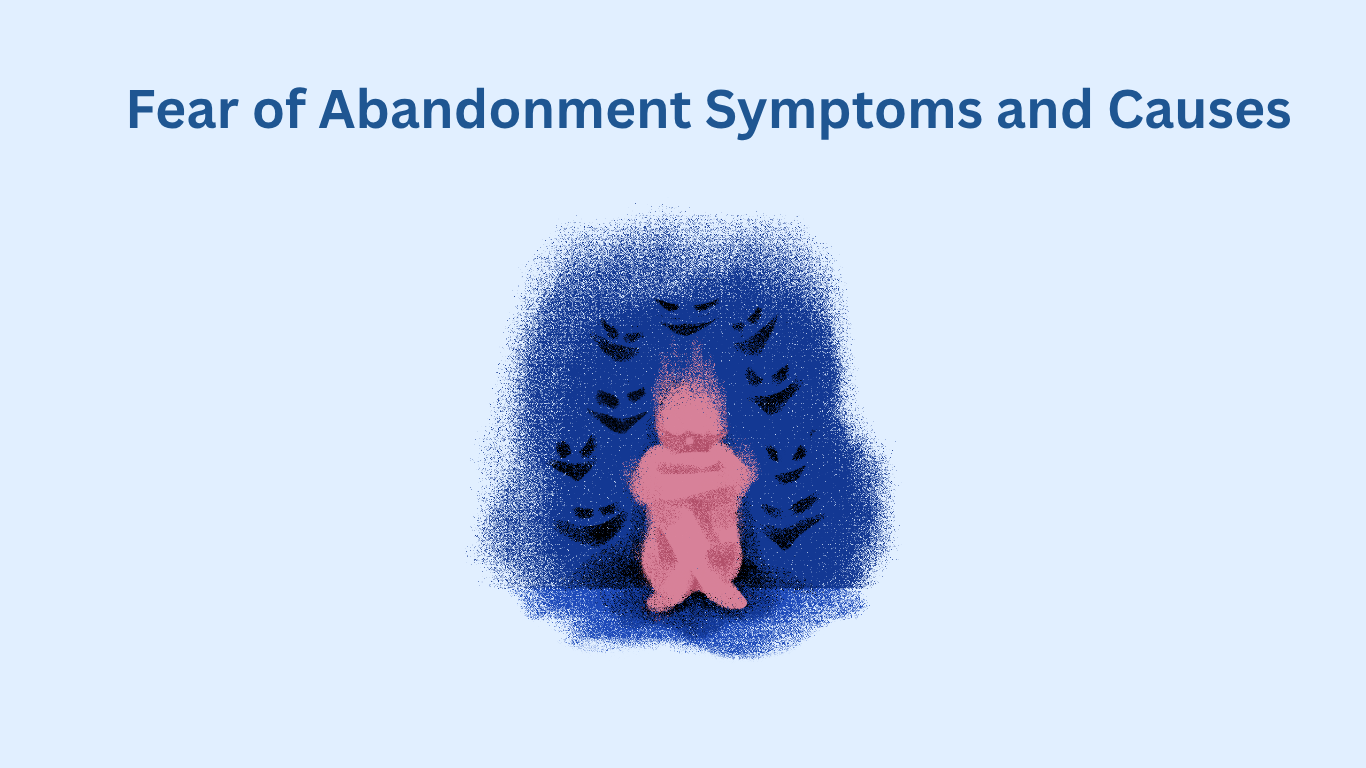
Occasional worries about being left behind are a normal part of the human experience. However, for some people, this fear can become overwhelming, persistent, and disruptive.
Fear of abandonment symptoms appear in confusing or even contradictory ways.
When the fear takes control, everyday situations, such as a delayed text or a change in plans, can trigger intense anxiety.
It can shape how they relate to others, distort their sense of self-worth, and create painful cycles of clinging or pushing people away.
Recognizing these patterns is the first step toward responding with greater clarity and self-control.
In this article, we’ll explore the most common fear of abandonment symptoms and the underlying causes of it.
Fear of abandonment symptoms
Fear of abandonment is the intense, persistent, and irrational anxiety that the people you are close to (partners, family, or friends) will leave, reject, or withdraw their love.
This fear actively shapes how a person thinks, behaves, and interprets others’ actions.
Common signs include:
- Getting attached very quickly
- Constantly seeking reassurance, wanting to be with the partner 24/7, and feeling anxious when apart
- Minor shifts (shorter messages, a quieter mood, delayed responses) can be interpreted as signs that something is wrong
- They may try to prevent rejection by avoiding conflict, apologizing excessively, or prioritizing others’ needs over their own
- Feeling threatened by a friend’s other friendships or a partner’s family commitments
Those fear of abandonment symptoms create a painful paradox:
The strategies meant to keep people close end up pushing them away. As a result, the attempt to feel safe deepens the fear of abandonment it was meant to ease.
3 reasons that could cause fear of abandonment
Fear of abandonment symptoms doesn’t appear out of nowhere. In most cases, it grows from experiences that teach a person that closeness is unstable or unsafe.
Here are three reasons that could cause a fear of abandonment.
1. Early childhood experiences
Inconsistent, neglectful, or unpredictable parenting can teach a child that the people they depend on for safety are unreliable.
When caregivers are emotionally distant, overly critical, physically absent, or inconsistent in their attention, the child begins to internalize a painful belief: Love can disappear at any moment.
In some cases, the child may also believe the instability is their fault. They may conclude that they are inherently unworthy of love. This creates a quiet but persistent fear that others will eventually “discover” this perceived flaw and leave.
More direct losses can reinforce this fear of abandonment further. Experiencing the death of a parent, divorce, or a caregiver walking out creates a primal template that “people leave.”
2. Past relationship traumas
Traumatic experiences in adolescence or adulthood can reshape how a person perceives closeness and trust.
When a person experiences betrayal, repeated relationships where people leave unexpectedly, unexplained ghosting, long-term infidelity, or emotional abandonment, the brain’s threat-detection system can become hypervigilant.
Certain structures can worsen this impact.
For example, always being the one who gives, supports, and shows up, while the other person only takes or is present when it benefits them. When that relationship eventually collapses, it can create a fear that all connections are transactional. And that if you stop “performing,” you will be abandoned.
Sudden group rejection can also be especially damaging.
Being bullied, ostracized, or abruptly excluded by a friend group can create a lasting fear that “the group” will turn against you.
Over time, the mind begins to associate intimacy with potential danger.
In response, this may show up in relationships as anticipatory anxiety, self-protective withdrawal, or even preemptive leaving.
3. Mental health conditions
Certain psychological conditions can contribute to fear of abandonment or rejection.
These fears arise from longstanding cycles in attachment, self-esteem, and emotional regulation. Examples include:
- Borderline personality disorder (BPD): In BPD, this fear is a core diagnostic criterion. People have intense fear of abandonment, unstable relationships, and emotional swings.
- Dependent personality disorder (DPD): A pervasive need to be taken care of leads to clinging behavior and submissiveness. Individuals feel helpless when alone and will go to great lengths to avoid being left.
- Obsessive-compulsive disorder (OCD): Fear of abandonment can manifest through intrusive, unwanted thoughts (obsessions) about being left or rejected, paired with compulsive behaviors aimed at preventing abandonment.
- Complex post-traumatic stress disorder (C-PTSD): Resulting from chronic trauma (such as childhood neglect or abuse), this condition includes a profound fear of abandonment, deep shame, and difficulty with trust and relationships.
- Social anxiety disorder: An intense fear of negative judgment or rejection can manifest as a fear of being socially abandoned or excluded, leading to avoidance of relationships or reliance on a single safe person.
- Major depressive disorder: During depressive episodes, feelings of worthlessness and being a burden can lead to fears that others will leave, sometimes accompanied by behaviors that push loved ones away.
These conditions do not define a person. With compassion, understanding, and the right support, it is possible to move beyond the fear of abandonment and toward a connection that feels safe and lasting.
Conclusion
Though fear of abandonment can be all-consuming, it is important to know that healing is possible.
It begins with acknowledging the wound without judgment, seeking support when the weight becomes too heavy, and taking small, courageous steps toward trusting in your resilience.
The goal is to stop letting it write the story of who you are.