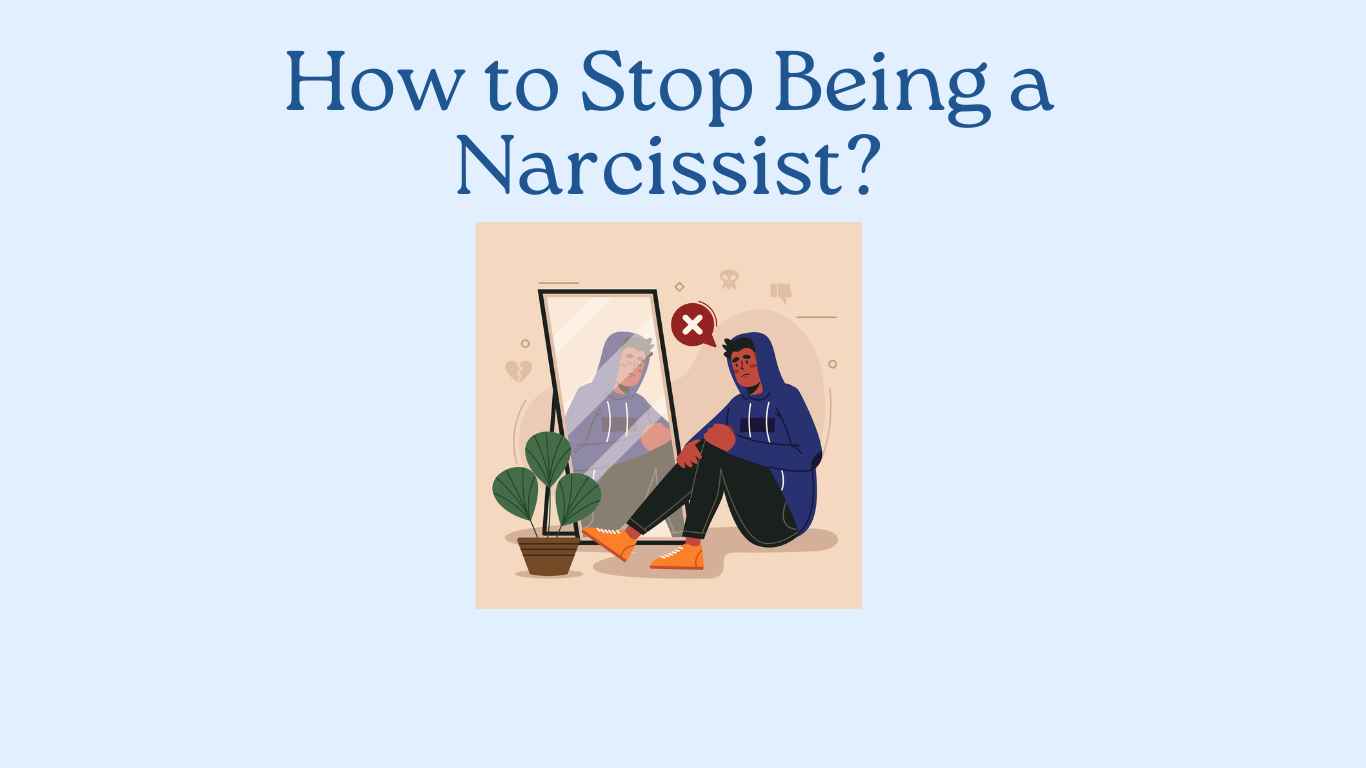
Change doesn’t start with self-hate. It starts with awareness, honesty, and a willingness to sit with discomfort.
So, if you’re asking “how to stop being a narcissist,” please know this: you are already taking a profound step. Awareness creates a gap where you could choose a different response. And that moment of clear self-recognition is the true seed of transformation.
If you’re ready to make a change, this article is your practical guide. Here are three ways you can start building a healthier, more connected self.
Volunteering and helping others
Volunteering and helping others reshapes how you relate to people. It shifts you from a mindset of extraction (“What can this person or situation do for me?”) to one of contribution (“What can I offer here?”).
Regularly putting yourself in a humble, serving role builds the emotional muscles of compassion and grounds your self-worth in action rather than in external validation.
Before you begin, set a clear rule: listen more than you speak. Ask questions such as, “What has that been like for you?” or “What do you need today?” Then take in the answer without judgment, advice, or turning the focus back to your experience.
The aim is to be useful in a space where you are not the center of attention.
Choose activities where the reward is the act of giving itself, not visibility, networking, or recognition. Also, make sure the cause is one you feel a genuine, quiet pull toward. This might be an animal shelter, a community garden, a literacy program, or a meal service.
Say yes to work that happens out of sight: Washing dishes after an event, sorting donations in a back room, doing data entry. Let the satisfaction come from finishing a task that matters, even if no one notices.
Afterward, journal with intention. Not about how “good” you were, but with questions like:
- What did I notice about someone else’s experience today?
- When did I feel the urge to pull attention back to myself, and what did I select instead?
- What simple human connection did I witness or share?
Expect moments of frustration, boredom, or ego surfacing. Growth comes from noticing those moments, staying present with them, and returning to the choice to connect and contribute.
Acknowledging mistakes
Acknowledging mistakes builds authentic connections and moves you beyond defensive self-protection. It challenges the need to maintain a perfect image by embracing vulnerability and prioritizing repair over being “right.”
Owning errors shows that your self-worth can withstand mistakes. It builds trust, as others see you as accountable and reliable, and frees you from the constant performance of perfection, creating space for genuine relationships.
See others as collaborators in your awareness, not as critics of your value. Shift your internal narrative from “This proves I’m flawed or a failure” to “This reflects my growth and humanity.”
Use a clear structure when admitting mistakes, without adding “but,” “if” or “you”:
Example:
“I was wrong to interrupt you in that meeting. I understand it dismissed your idea. I am sorry and will let you finish speaking in the future.”
When you notice a mistake or receive feedback, pause the shame spiral. Say to yourself: “This is a chance to learn.” Each time you do, you turn a threat into growth and strengthen the authentic self you are becoming.
Celebrating others’ successes
Genuinely celebrating others directly attacks the core narcissistic wound of feeling “less than.” It proves to your own psyche that you are secure enough to appreciate excellence outside yourself. This practice builds authentic social bonds, as people feel seen and valued by you. It also liberates you from the exhausting treadmill of constant comparison, allowing you to find inspiration and camaraderie in the achievements of those around you.
Practice the thought: “Their success adds to the world; it does not take from mine.” Look for examples where multiple people thrive. It reinforces that life is not a zero-sum game.
When you hear of someone’s success, pause and name your first feeling: “That’s envy,” or “I feel threatened.” Simply acknowledging it removes its grip. Then choose to redirect your focus to their experience.
When celebrating, be specific. Mention the effort you observed: “Your presentation was clear and engaging. I can see how much work went into those visuals, and it paid off.” Make sure you keep the attention on them, not on your politeness or self-presentation.
Build the habit in small, consistent ways. Send one genuine congratulatory message per week. Acknowledge a colleague’s contribution in a meeting. Listen fully when someone shares good news, without pivoting to your own story.
Remember: You may not feel sincere joy every time. The point is the chosen action. Over time, this practice strengthens the belief that connection matters more than competition and makes genuine shared happiness easier to feel.
Conclusion
The journey away from narcissistic patterns comes down to one daily choice: turn outward. Choose connection over self-protection, curiosity over judgment, and contribution over extraction.
The three practices you’ve explored work together. They form one stronger habit:
- Volunteering and helping others shifts your focus from “What can I get?” to “What can I give?”
- Acknowledging mistakes strengthens integrity by picking repair and learning over being right.
- Celebrating others’ successes nurtures empathy, dissolving the mindset that another’s gain is your loss.
Each practice does two things: it rewires how you relate to the world and reminds you that your worth comes from being authentic, accountable, and engaged, not perfect.
And look, progress won’t be a straight line. Old habits will pop up, and that’s normal. Notice them, return to awareness, and keep moving forward.
You began with a question, which took courage. Now keep going with action. Every mindful, compassionate step will build yourself up, piece by conscious piece.





Pingback: Why Men’s Mental Health Month Doesn’t Address Narcissism (2 Reasons) - Vulnerable Narcissist
Pingback: Passive Aggressive Examples: What Passive Aggression Looks Like - Vulnerable Narcissist