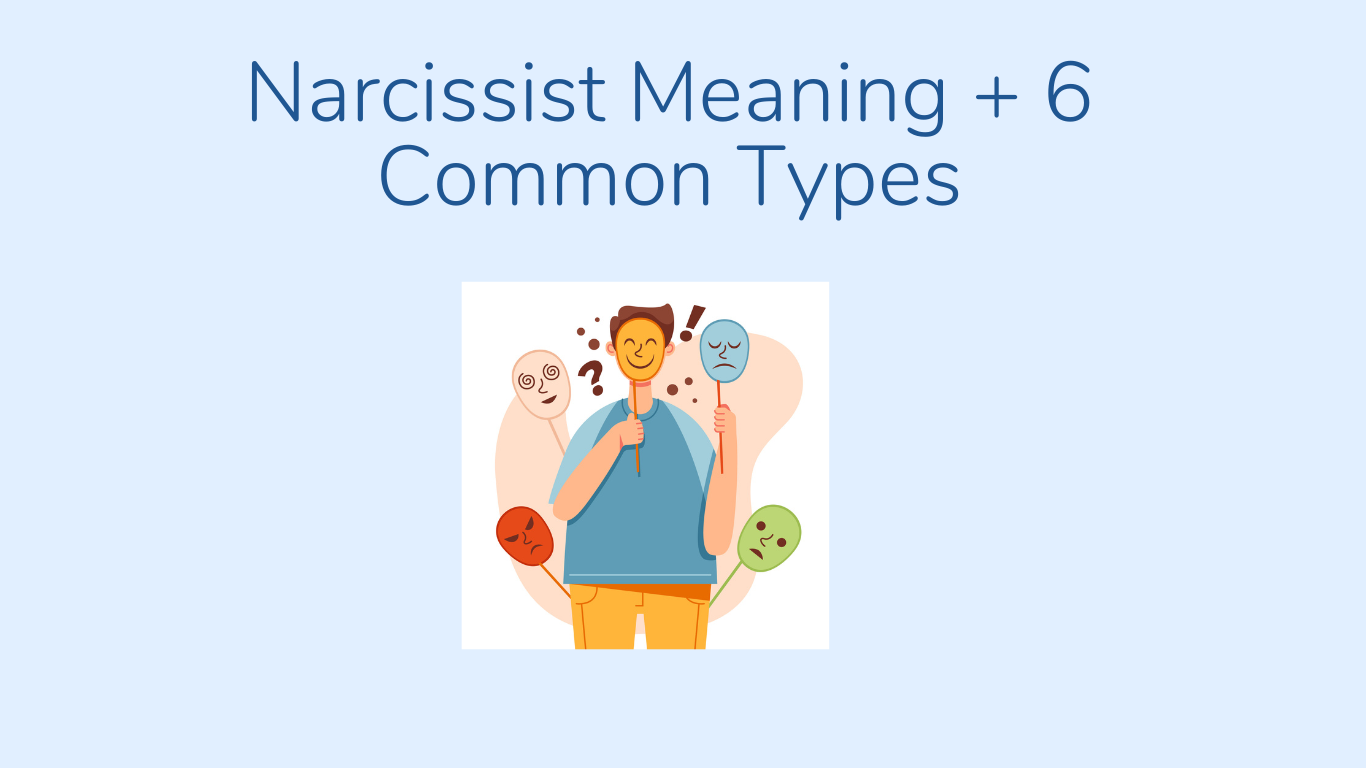
The word narcissist is used everywhere, yet the meaning is reduced to arrogance or superiority. In reality, narcissism takes many forms.
This article simplifies the narcissist meaning and explores six common types you may encounter at work, in relationships, or within family dynamics.
Narcissist meaning
A narcissist is someone who shows an excessive focus on themselves, a strong need for admiration, and limited empathy for others. They may appear confident or charming, but their sense of self depends heavily on external validation, control, or feelings of superiority.
When they don’t receive the special attention or recognition they expect, they may become chronically dissatisfied, resentful, or emotionally humiliated.
Narcissists are also commonly described as arrogant, demanding, or manipulative. These traits are not situational or occasional. They tend to persist across all areas of life, including work, friendships, family, and intimate relationships.
However, the real challenge is that narcissists don’t present in one fixed way, which makes them difficult to recognize. Some are overt and controlling, while others are subtle, wounded, or quietly superior.
Narcissist types
Narcissists aren’t all the same. The core traits are similar, but they show up in different patterns, or types. These are the most commonly recognized ones:
1. Grandiose (overt, arrogant)
This is the most visible type. The grandiose narcissist is the picture of confidence, dominant, self-important, and seemingly unshakable.
They openly seek admiration, exaggerate their achievements, and believe they deserve special treatment. Their sense of entitlement is noticeable.
Challenge them, however, and their facade often cracks, revealing anger, dismissive contempt, or outright rage in the face of criticism.
2. Vulnerable (covert, victimized)
A vulnerable narcissist is quieter and often misunderstood. They may appear sensitive, anxious, or even victimized, but their internal world is still intensely self-focused.
When they feel wronged or unseen, their hurt manifests not in loud outbursts but in simmering resentment, subtle digs, and passive-aggressive behavior.
3. Malignant (severe, sadistic)
This is a more severe and harmful form. It combines narcissism with traits of aggression, lack of remorse, and a desire for control.
They actively enjoy manipulating, intimidating, or causing emotional and physical harm to others and show little concern for the consequences of their actions.
4. Communal (self-righteous altruism)
This type builds their superior identity not on success or power, but on being seen as the most caring, ethical, or selfless person in the room.
Their generosity is performative, used to gain admiration or moral superiority rather than genuine care. And it comes with strings attached: unspoken debts, expectations of loyalty, and the quiet demand that you validate their saintly image.
5. Somatic narcissist
For the somatic narcissist, self-worth is inextricably tied to the physical self. They derive their validation from their appearance, sexual appeal, athletic prowess, or ownership of status symbols.
Their primary concern is being perceived as attractive, desirable, and impressive. This makes their self-esteem especially vulnerable to aging or criticism of their physique.
6. Cerebral narcissist
This type anchors their grandiosity in the mind. They believe their intellect, knowledge, or “brilliance” places them far above others.
They turn conversations into battlegrounds they must win by belittling others’ ideas or hiding behind complex jargon to assert intellectual dominance.
Being seen as the smartest person in the room fuels their sense of worth.
The rule
These types are not fixed categories. They overlap, and a person may shift between them depending on context, stress, or what best protects their self-image at the moment.
Regardless of the form it takes, the underlying goal remains the same: to position themselves as important, superior, or indispensable, and to secure the validation that keeps their sense of self intact.





Pingback: 3 Least Narcissistic MBTI Types: Who’s Less Likely to Show Narcissistic Traits - Vulnerable Narcissist