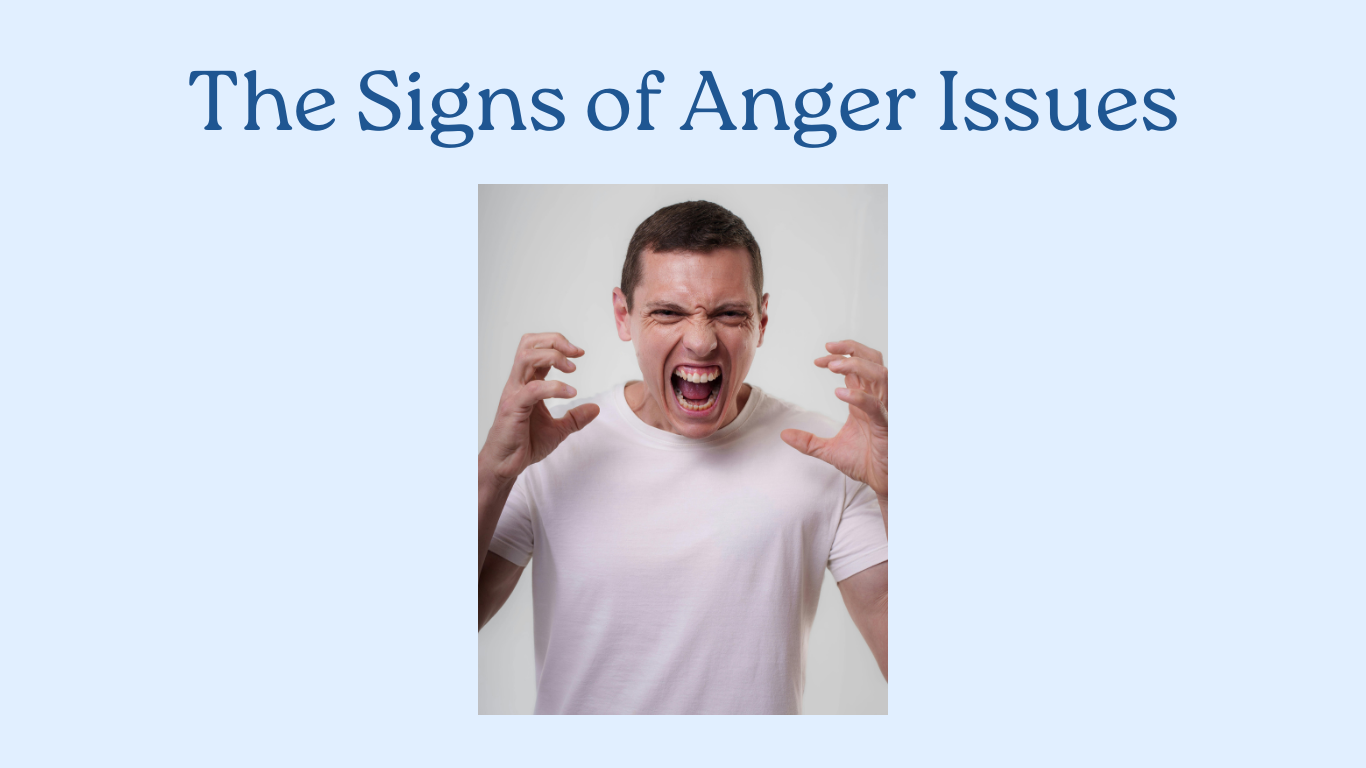
Anger is something everyone experiences from time to time. It’s a natural emotion, and in the right moments, it can even be useful. It can help you set boundaries, speak up when something feels wrong, or protect someone you care about.
But what happens when that feeling stops serving you and starts running you?
When anger becomes hard to control, it can mess with your relationships, your mood, and even your health (studies link chronic anger to risks like heart disease, diabetes, and risky behavior).
And what many people miss is that it’s not always easy to tell. Sometimes, what feels like “just a bad mood” or a short temper can be an early warning sign of anger issues.
So what are the signs of anger issues? Let’s start by breaking down what anger issues mean.
Definition of anger issues
Having anger issues doesn’t mean you feel angry. It means you developed a pattern where anger becomes too frequent, too intense, and too damaging to ignore.
For some, anger becomes the default response. A small frustration can trigger a big reaction. As a result, it can end up controlling actions, shaping decisions, and leaving you and those around you dealing with the damage long after the moment has passed.
Causes of anger issues
Some common causes of anger issues include:
- Learned behavior: Growing up around people who express anger destructively can make it feel normal.
- Early trauma: Experiencing neglect, abuse, or bullying (especially in childhood) can make managing anger more difficult later in life.
- Biological factors: Chronic pain, hormonal changes, or certain neurological conditions can increase irritability and make anger harder to control.
- Mental health conditions: Anxiety, depression, PTSD, and personality disorders generally come with heightened anger responses.
- Stressful environments: High-pressure jobs, financial strain, or a chaotic home life can make it easier for anger to take over.
- Lifestyle factors: Lack of sleep, poor diet, substance use, alcohol misuse, and limited physical activity can all increase irritability and reduce emotional control.
Therefore, identifying the specific contributors in these areas is the essential first step toward developing healthier management practices.
Common signs of anger issues
Now, let’s look at some of the most common signs of anger issues.
Emotional signs of anger issues
- Frequent irritability or frustration over minor issues
One of the most common signs of anger issues is getting easily irritated or frustrated over things that most people would take no notice.
For people dealing with this, anger doesn’t match the situation. Small inconveniences, like traffic, a coworker’s comment, or a minor mistake, trigger a stronger reaction than seems reasonable.
Such reactions reveal a low tolerance for frustration, where everyday life feels like a constant series of provocations.
- Difficulty controlling motivations leading to outbursts
When an individual struggles with anger issues, they are unable to regulate the internal drives that push them toward anger.
For example, when interrupted or dismissed, the individual doesn’t just feel frustrated or sad. They may explode, rapidly escalating from calm or mild irritation to yelling, screaming, or physical acts like throwing objects.
During the moment, there is a felt inability to pause, reflect, or choose an alternative response. It feels automatic, marked by a sense of “seeing red” or lost time.
After the outburst, regret or shame usually follows. A key indicator of this deregulated pattern is the repeated use of phrases such as “I just snapped” or “I couldn’t help myself.”
- Persistent resentment, bitterness, or low frustration tolerance
Anger can also take internalized forms, which can be more damaging than explosive outbursts. This is the kind of anger that has been internalized, suppressed, or left to grow.
This slow-burn poison rarely manifests as sudden yelling or aggression. Instead, it seeps out as:
–>Resentment: Anger built up over time, supplied by an unforgiving refrain of “I can’t forget that,” or a mental ledger forever keeping score.
–> Bitterness manifests as a pervasive attitude of cynicism and hostility, expressed through sarcasm, passive aggression, coldness, or indirect criticism rather than honest confrontation
–> Low Frustration tolerance leads to emotional withdrawal. The individual distances themselves to avoid perceived slights, all while internally stewing in unaddressed frustration.
Together, these internalized forms of anger quietly undermine emotional well-being, distort judgment, and strain relationships.
Behavioral signs of anger issues
- Aggressive gestures or language (yelling, slamming doors, or throwing objects)
Aggressive gestures or language are among the most visible signs of anger issues. This includes yelling, slamming doors, throwing objects, or other forms of physical or verbal aggression.
People exhibiting these behaviors experience a rapid escalation from mild irritation to intense anger. The aggression may provide temporary release, but it usually damages relationships and reinforces a cycle of reactive anger. It also normalizes violent acts and lowers the standards for what is acceptable.
- Frequent conflicts with family or friends
It’s natural for close relationships to experience conflict. However, the red flag is a pattern where interactions regularly escalate into arguments, defensiveness, or emotional blow-ups, even over harmless remarks.
Ask yourself:
–> Are conflicts a weekly or daily occurrence?
–> Do small disagreements routinely escalate into screaming matches or days of silence?
–> Is the emotional aftermath disproportionate to the trigger (e.g., raging because someone forgot to buy milk)?
You may not intend to hurt the people around you, but the repeated outcome matters more than intent. When anger is a constant presence, others start to walk on eggshells. They become cautious, distant, or resentful.
- Verbal expressions or passive aggression: shouting, sarcasm, frequent arguments
You might notice your conversations are less about solving a problem and more about releasing a buildup of internal pressure. Instead of naming your frustration directly, you find it leaking out in a dismissive tone, a sarcastic “joke,” or a cutting remark disguised as honesty.
You may even tell yourself you’re not angry, yet your communication is consistently charged with irritation through subtle digs and coldness. This is a classic pattern of passive aggression, where the anger is present and felt by others, even as you disown it.
Physical signs of anger issues
- Rapid heartbeat, sweating, or tense muscles
Frequent physical reactions like a rapid heartbeat, sweating, clenched jaw, or tense muscles reflect the body’s threat system switching on, preparing for confrontation even when the situation doesn’t objectively require it.
The key signal is how quickly and how often this physical arousal happens. If your body jumps into a heightened state over small frustrations or everyday interactions, it suggests anger is being triggered automatically rather than consciously processed.
When the body is repeatedly stuck in “fight mode,” anger stops being just an emotion and starts shaping reactions before you’ve had a chance to choose them.
- Headaches or stomach pain after outbursts
Intense anger places real strain on the body. During the outburst, your body is flooded with stress hormones (adrenaline, cortisol). Your muscles tense, your blood pressure soars, and your nervous system is in a panic.
Once the emotional peak passes, your body begins to exit this heightened state. This transition is not always smooth.
The sudden drop in adrenaline, combined with sustained muscle tension (in the neck, shoulders, and jaw), is a common trigger for tension headaches or migraines.
Your digestive system is intensely sensitive to emotional states. The stress response diverts energy away from digestion, can increase stomach acid, and alter gut function. This can lead to stomach pain, cramping, nausea, or a feeling of “knots” in the stomach after an outburst. For some, this may manifest as irritable bowel syndrome (IBS) flares.
Quick tips
- When you notice warning signs of anger, count to 10, take a few deep breaths, step away for a moment (Even a short pause can stop an automatic outburst.)
- Release tension physically: Exercise, go for a brisk walk, squeeze a stress ball
- Challenge your thoughts: Ask yourself: “Is this really intentional?” or “Could there be another explanation?” (This cognitive check can defuse the fuel for your anger.)
- Gain perspective: Recognize that you can’t control everything or everyone. Ask: “Will this matter in a week, a month, or a year?” (This helps dial down the intensity.)