I was 8 when my dad said, “In this family, we protect each other. What happens at my house stays here. Your mother doesn’t need to know everything.”
For the next ten years, I carried secrets no child should hold. Secrets about my father’s girlfriends, his drinking, financial choices, moods, rants, and his version of events.
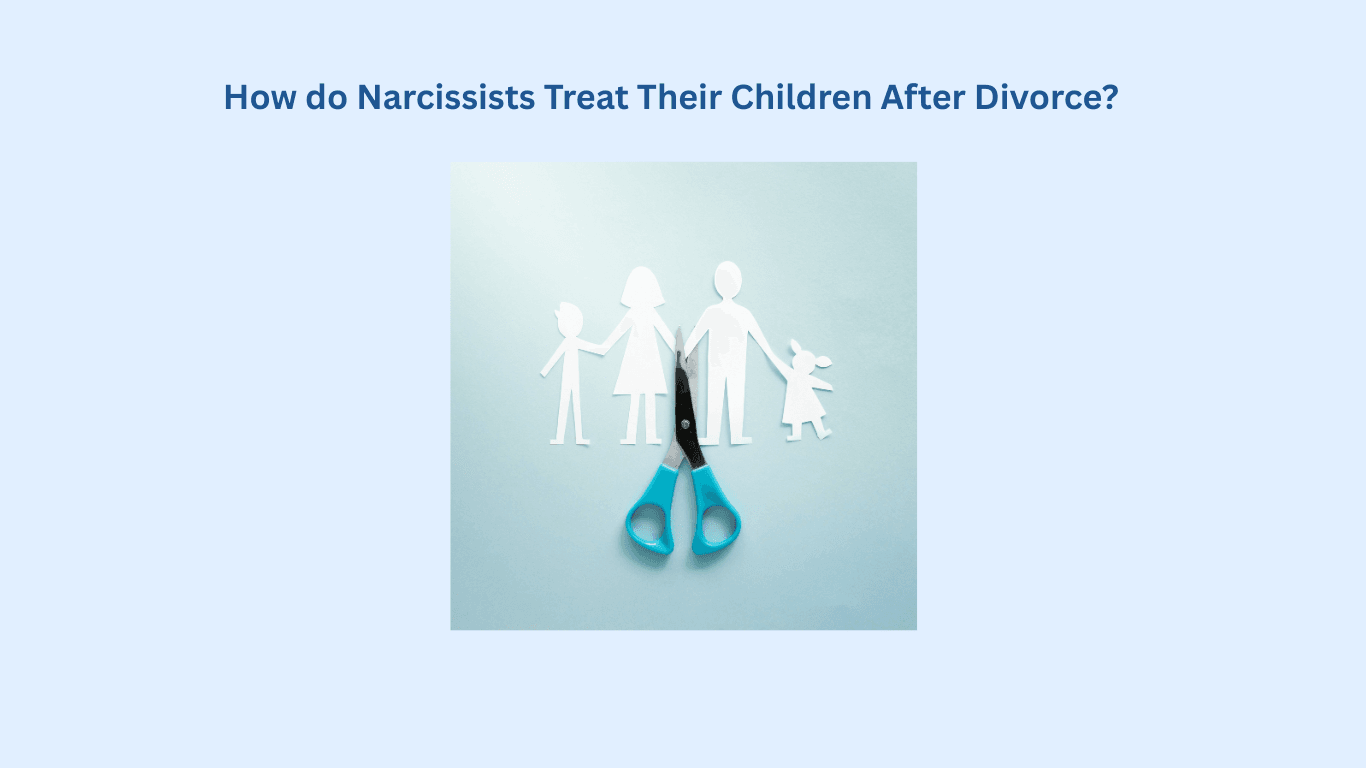
That divorce may have ended the marriage, but it didn’t end the conflict. It became a war. And in that war, we were used to meeting emotional needs, gathering information, exerting control, and punishing the other parent.
In this article, I will share how do narcissists treat their children after divorce as tools in an ongoing battle.
1. They demand adult-level loyalty from children
Children should never be expected to choose between their parents.
Yet narcissistic parents demand adult-level loyalty. They treat their children as confidants and allies rather than as young people who require protection and guidance.
A divorced narcissistic parent may expect the child to take their side in disputes, validate their grievances, and prioritize their emotional needs above everything else.
Any sign of affection toward the other parent may be viewed as betrayal. Statements such as “If you really loved me, you wouldn’t want to spend so much time with your father” or “Your mother doesn’t care about us the way I do” place children in an impossible situation.
2. They make children responsible for their happiness
Narcissistic parents struggle to regulate their emotions. So, instead of taking responsibility for their feelings, they may rely on their children to provide comfort, validation, and emotional support.
Following a divorce, a narcissistic parent may tell a child how lonely they are, complain about the divorce, discuss financial problems, or repeatedly portray themselves as a victim.
The child may feel obligated to cheer them up, reassure them, or sacrifice their needs to keep the parent happy.
This role reversal is known as parentification. Rather than receiving care and guidance from the parent, the child becomes responsible for the parent’s emotional well-being.
3. They use children as messengers and spies
Healthy co-parenting requires direct communication between adults. Narcissistic parents, however, use children as intermediaries.
After a divorce, the narcissist may refuse to communicate directly with their ex-partner, instead sending messages through the children.
These messages might include demands, threats, attempts to negotiate, or simply angry rants. They may also encourage children to observe and report on the other parent’s activities.
For example, a narcissistic parent might say:
- Tell your mother she needs to pay for that
- Ask your father why he didn’t call me back
- Let me know if your mom is dating someone
- Take pictures when you’re at your dad’s house.
These behaviors place children in an inappropriate and stressful position.
4. They play favorites
One of the best answers to your question, “How do narcissists treat their children after divorce?” is to look at the roles you were forced to play.
Narcissistic parents frequently divide family members into roles. One child may become the “golden child” who receives excessive praise and special treatment, while another may become the “scapegoat” who receives blame and criticism.
After a divorce, these structure intensify.
The narcissistic parent may favor the child who agrees with them, supports their narrative, or meets their emotional needs.
Meanwhile, a child who questions them or maintains a close relationship with the other parent may be ignored, criticized, or treated unfairly.
5. They interrogate children after visits
The narcissistic parent demands a detailed accounting of everything that occurred during the visit, from what was eaten to conversations that took place to any gifts or activities.
The narcissistic parent may ask questions such as:
- What did your mom or dad say about me?
- Who was there?
- Did they mention their new partner?
- What did they spend money on?
- Where did they take you?
This interrogation allows the narcissistic parent to gather information, maintain control, or find new weapons to use against the ex-spouse.
6. They pressure children to take sides
Narcissistic parents are well-known for creating situations where children are convinced they must align with one parent against the other.
This pressure may be explicit, with the narcissist directly demanding that the child take their side.
Alternatively, it may be more subtle.
A narcissistic parent might repeatedly criticize the other parent, exaggerate their mistakes, or portray themselves as the sole victim of the divorce.
They may reward children for agreeing with them and punish them emotionally when they express affection toward others parent.
7. They dismiss or invalidate the child’s feelings
Children need parents who listen, empathize, and validate. Narcissistic parents, however, offer the opposite.
Their attention is consumed by their grievances, vulnerabilities, and agendas. They cannot hold space for a child’s emotions because doing so would require setting aside their own.
So, when a child expresses sadness, anger, or confusion about the divorce, the narcissistic parent deflects. They minimize, criticize, or deny the child’s reality entirely.
A narcissistic parent might say:
- You have nothing to be sad about
- Your mother is filling your head with these ideas
- You shouldn’t feel that way
As adults, these children struggle to name their emotions, trust their perceptions, or speak up for themselves.
Conclusion
Children of narcissistic parents are forced into roles they were never meant to occupy: confidant, caretaker, ally, messenger, spy, and emotional support system.
These roles do not fade when childhood ends. The injuries carried forward are deep and enduring.
The aftermath looks like:
- Difficulty trusting others and forming secure attachments
- Codependent relationships
- Chronic self-doubt and low self-esteem
- Emotional numbness or confusion
- Perfectionism and fear of failure
- Porous or rigid boundaries
- Depression and anxiety
- Distrust of their own perceptions
Understanding how do narcissists treat their children after divorce helps make sense of these behaviors. So, if you recognize yourself in these pages, pause and take a breath.
Acknowledge what happened to you. Name it gently: My childhood involved emotional abuse or neglect. And start where you are.
Trust your gut in small decisions, write down your emotions without editing or judging them, practice speaking your truth in safe spaces, even if your voice shakes.
Be kind to yourself along the way. You have spent a lifetime meeting everyone else’s needs. Now, it is your turn.